Best Classic Red / Neutral Red
e.l.f. Red Receipt
A balanced red that works when you want a clean, classic red-lip effect.
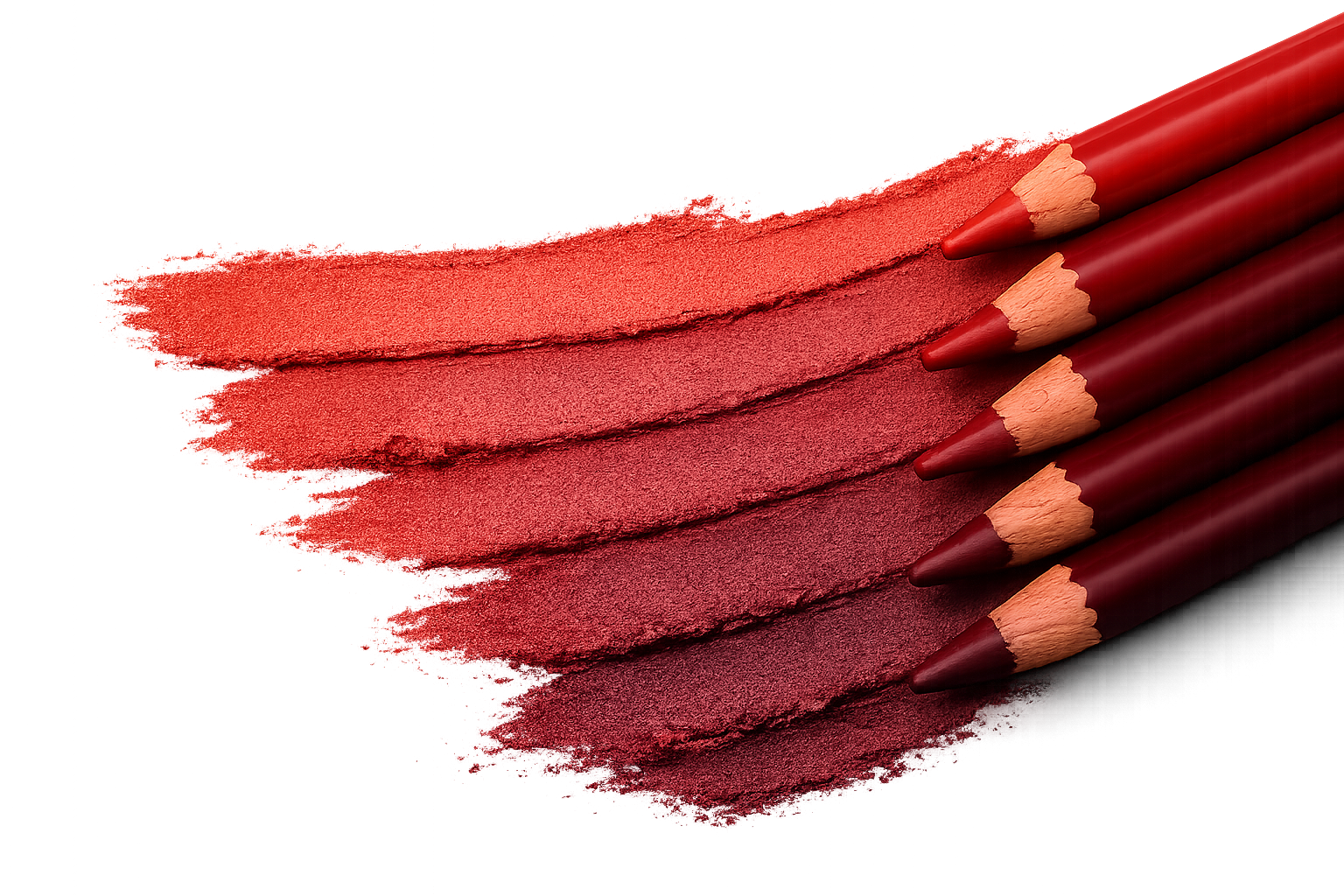
Red lip liners span warm, neutral, cool, berry, and wine-red directions. The best red lip pencil depends on undertone, depth, and whether you want a crisp classic red, a deeper shape, or a cooler red that avoids pulling orange.
This guide starts with practical red liner recommendations from the Niori shade library, then explains how red undertones and depth change the way a liner behaves on the lips.
At a glance
e.l.f. Red Receipt
A balanced red that works when you want a clean, classic red-lip effect.
Wet n Wild Berry Red
A cooler berry-red direction when true reds look too bright or warm.
NYX Cherry Skies
Adds depth, contrast, and a slightly moodier red effect.
Rimmel London Bitten Red
A deeper wine-red option for a richer, more dimensional lip.
Wet n Wild Red The Scene
A straightforward accessible red that sits close to the classic-red lane.
Best red lip liners
These groups move the actual shade recommendations above the deeper education, so you can start with the closest match for your red-lip goal.
Balanced reds that read closest to a classic red lip and are usually easiest to pair with red lipstick.
These are the best starting point if you want polish, definition, and less undertone guesswork.
Reds with berry, crimson, or blue-leaning depth that can look more refined or dramatic.
Choose these if bright reds pull orange, feel too loud, or need a cooler edge.
Richer reds that add depth and contrast without moving fully into brown or purple.
These work well when you want the liner to shape the lip or make red lipstick look more dimensional.
Wine-toned reds that feel deeper, softer, and more dramatic than a classic red pencil.
A good direction if you like red, but want it moodier, cooler, or less bright.
Brighter reds that can lean tomato or orange-red depending on your natural lip tone.
Use these when you want a vivid red, but be careful if reds often pull orange on you.
Red liner basics
Most red lip liners start with a red base, then shift warmer toward orange or cooler toward berry, plum, or wine. Even small shifts can noticeably change how a shade reads on the lips.
On the lips, red liners tend to:
Because red is more saturated than brown, undertone and depth often show up more clearly. For more on how saturation affects lip liners, see our guide to Saturated Lip Liners.
One of the most important distinctions within red liners is undertone. Even when two shades are both clearly red, one may pull brighter and warmer while another reads cooler, deeper, or more muted.
Warm reds lean tomato, coral, or orange-red. These shades often feel brighter and more vivid on the lips.
Cool reds lean crimson, berry, or wine. These shades often feel deeper, more refined, or slightly more dramatic.
Neutral reds sit between warm and cool without pulling strongly in either direction. These are often closest to a classic red lip.
Most red lip liners in the current library fall into the medium-to-deep range, but depth still changes how a red feels on the lips.
For many people, depth affects the feel of a red just as much as undertone — sometimes more.
If you’re unsure where to start, a few general guidelines can help:
Because red interacts strongly with natural lip tone, the same liner can look very different from person to person — which is why visual comparison matters more than shade names alone.
Red lip liner has long been associated with classic lipstick looks and defined lip shapes, but today’s range is much broader — from bright classic reds to deeper wine tones.
Treating red as a color family rather than a single category makes it easier to find shades that actually work. If you'd like a more muted or wearable direction, see the brown lip liner guide.