Warm undertone?
Peach, yellow, or golden warmth in the product may become more obvious on the lips.
You are not imagining it.
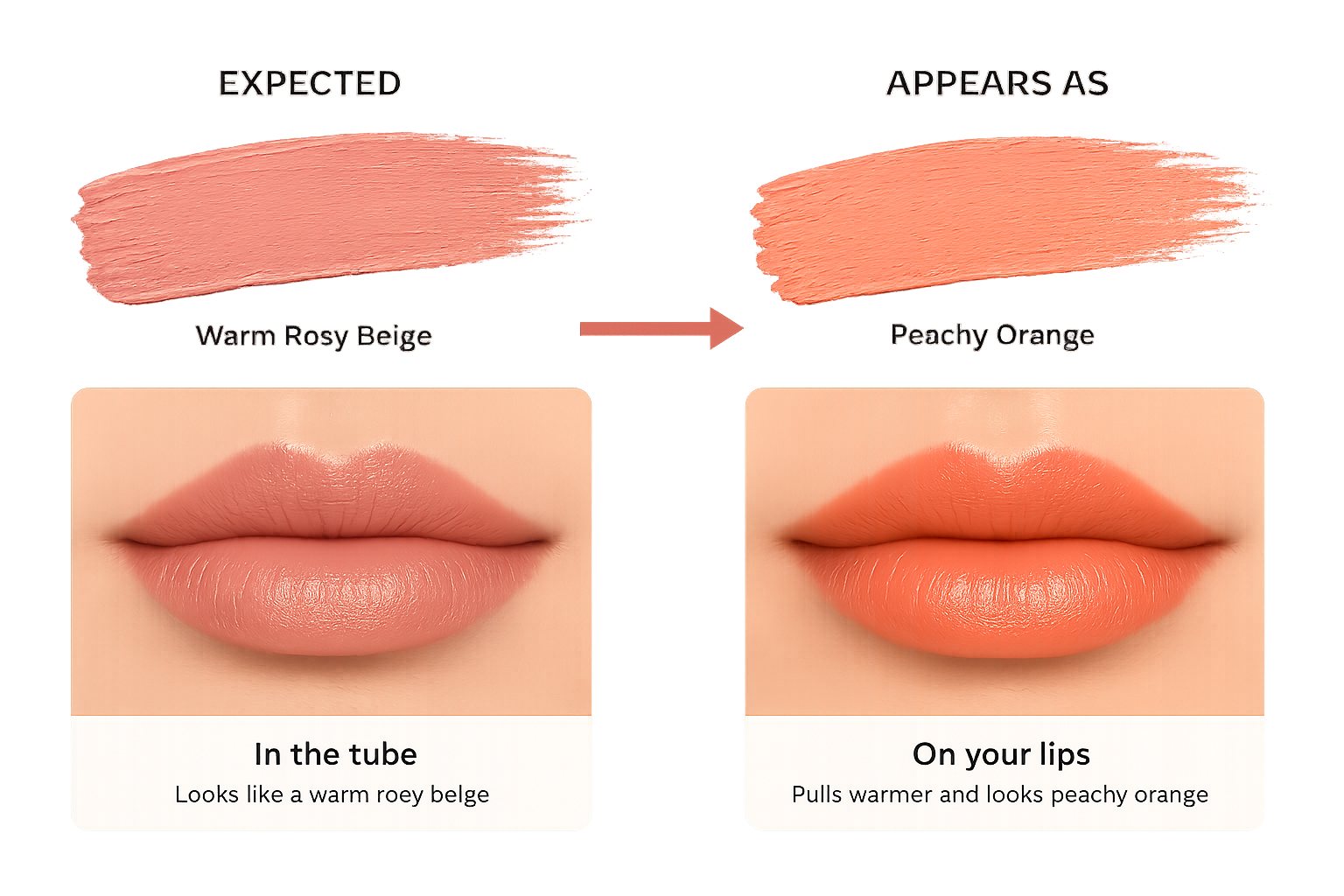
If you have ever applied a lipstick or lip liner that looked pink, mauve, or beige-pink in the tube, but suddenly turned orange on your lips, the color usually is not changing. The interaction between pigments, your natural lip color, and your skin's undertone can make shades appear much warmer than expected.
Key takeaway
Lipstick usually looks orange because warm pigments become more visible after the shade interacts with your natural lip color, skin undertone, formula finish, or lighting. The fix is often to go cooler, more muted, or slightly deeper.
Most common causes
Warm pigments become more visible
Cool tones can get muted or neutralized
Pale skin can make warmth stand out more
Olive undertones can amplify the effect
Lighter beige-pink shades are especially unpredictable
Quick diagnosis
Start with the pattern you are seeing. The reason a brown lipstick turns orange is often different from the reason a mauve, pink, or red lipstick shifts warm.
Looking for a specific shade family? Jump straight to brown, mauve, pink, or red lipstick.
What to check first
Use these checks before assuming the shade itself is wrong. Often, the issue is one interaction point: undertone, natural lip color, formula, dry-down, or lighting.
Peach, yellow, or golden warmth in the product may become more obvious on the lips.
Natural lip color can mute pink and leave beige or peach pigments looking stronger.
Some formulas dry down or deepen after application, making warmth more visible.
Sheer, beige, or balmy textures often let your natural lip color alter the final shade.
Warm indoor light can make peach, beige, and coral tones look more orange.
How to avoid lipstick turning orange
Look for mauve, berry, or neutral-cool shades
Avoid peach, warm beige, and coral if those pull orange on you
Try deeper shades if lighter ones look too warm
Use a cooler or deeper lip liner to balance warmth
Lip color does not exist in isolation. Once applied, it mixes visually with your natural lip color and your skin's undertone. If the product contains warm pigments — even subtly — those can become more noticeable depending on your coloring.
Color-family shifts
| Color family | May shift toward | Why it happens |
|---|---|---|
| Brown | Terracotta / caramel | Warm brown bases often contain yellow, orange, beige, or red pigments. |
| Mauve | Peach / beige | Cool violet or pink may get muted, leaving the beige-brown base more visible. |
| Pink | Coral / peach | Warm pink, beige-pink, or coral-pink can mix with natural lip color. |
| Red | Tomato / coral | Orange-red pigments, sheer coverage, or warm lighting can pull red warmer. |
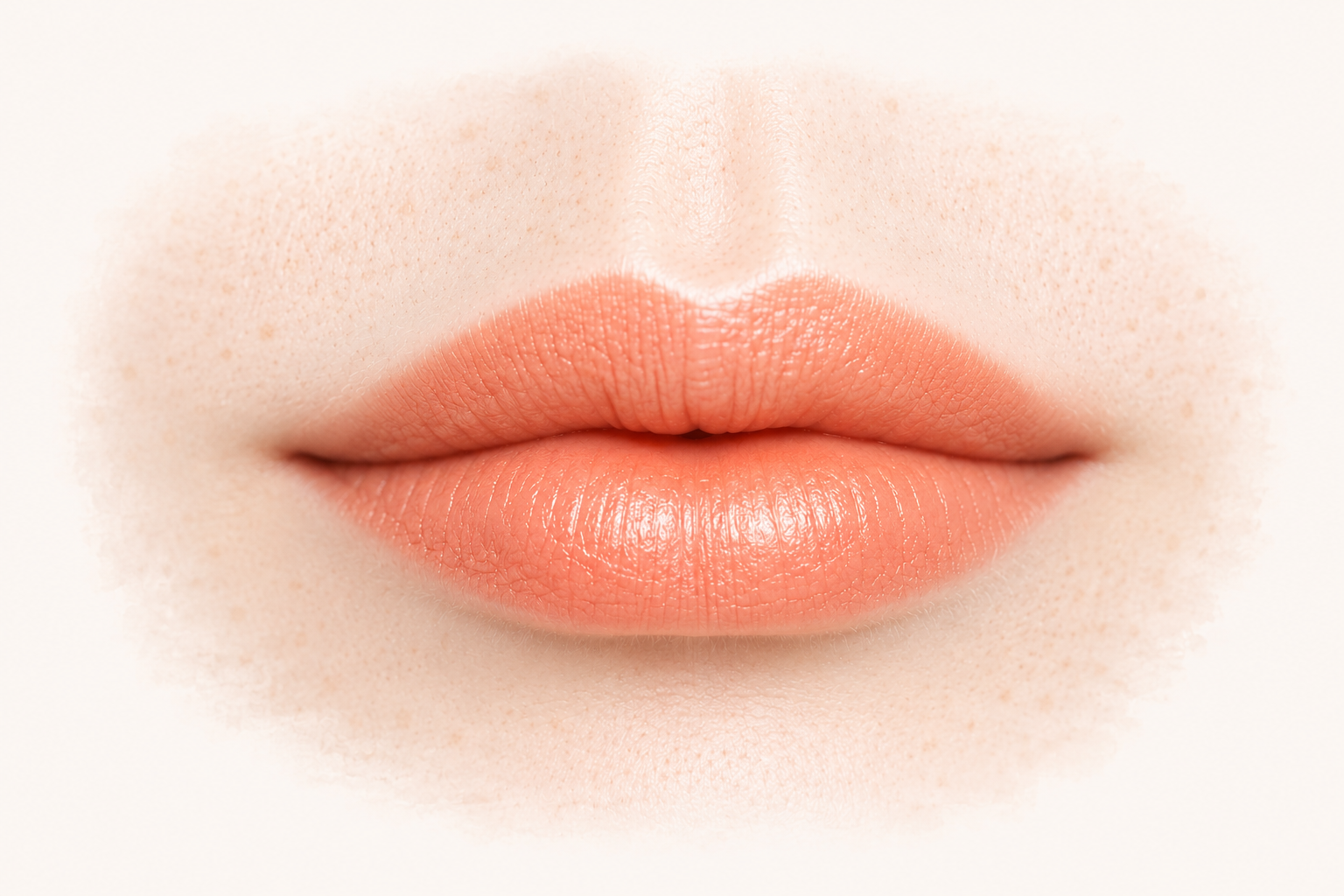
On pale skin, especially with cool or neutral undertones, there is less depth to balance out warm pigments. As a result, even slightly warm lip colors can look noticeably orange.
This is why a shade described as a soft rosy beige-pink can look peach or orange instead.
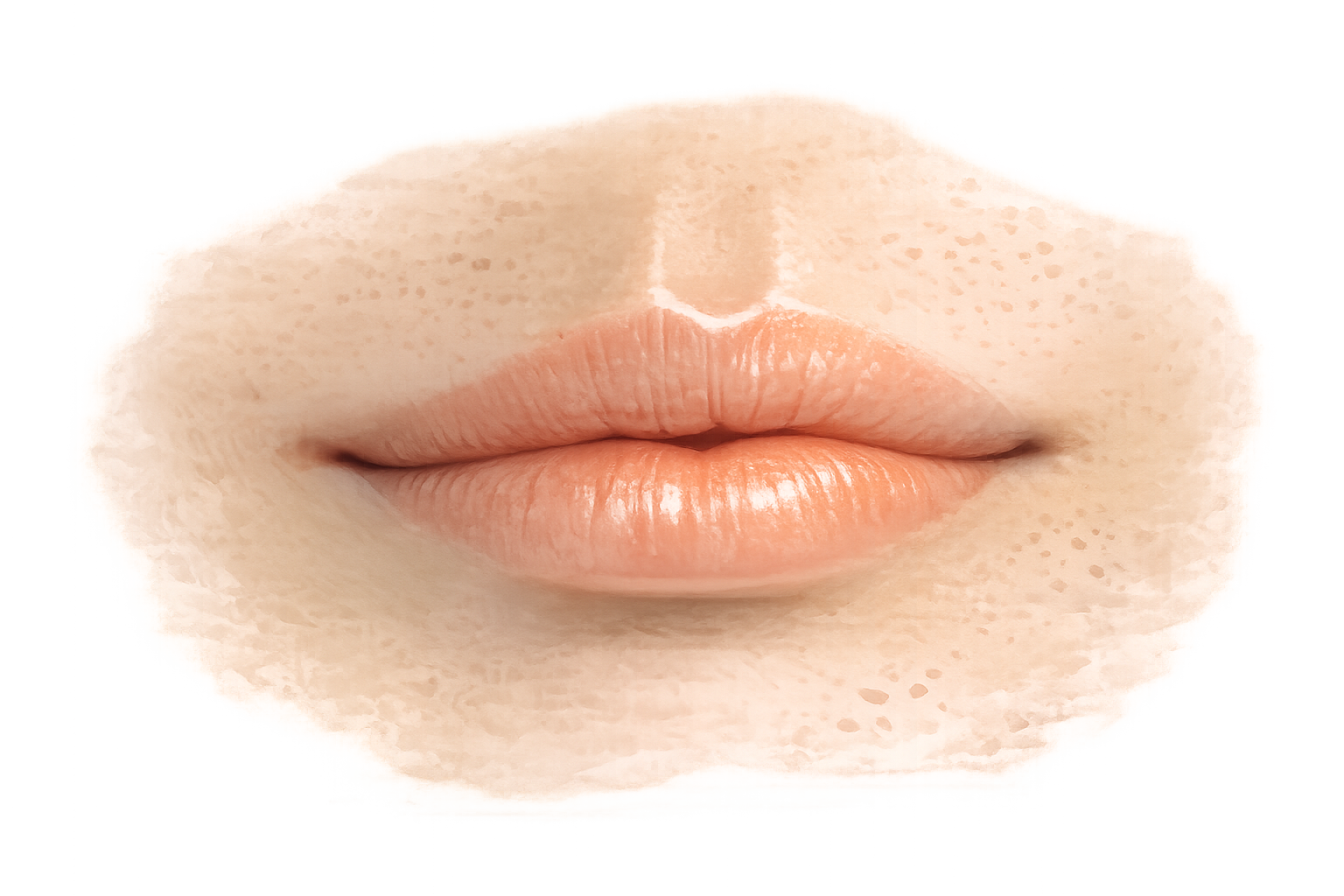
Olive undertones are more complex because they often include green or muted tones. These undertones can interact with lip color in a way that shifts how it appears.
Because of this, shades that are slightly warm may shift more dramatically on olive skin than on other undertones.
Lighter beige-pink lip colors are especially prone to turning orange because they are usually a mix of beige, pink, and warm pigments. Small differences in undertone can change how they appear.
Brown lipstick can turn orange for a different reason than pink or mauve lipstick. Many brown lip colors are not pure neutral brown; they are built from red, yellow, orange, beige, caramel, or terracotta pigments. If the formula is sheer, creamy, or warm-leaning, those warmer parts can rise to the surface visually.
Natural lip pigmentation matters here. A pink or red lip base can make a warm brown look more terracotta. A muted or olive undertone can reduce the rosy part of the shade, leaving the caramel or orange-brown base more visible. On pale skin, even a small amount of warmth can stand out strongly because there is less depth around the lip to balance it.
If only brown lipsticks turn orange on you, the issue is usually the brown's warm base rather than every lip color behaving badly. Compare warm and cool brown families before assuming brown lipstick cannot work.
Mauve is usually a balance of pink, purple, brown, grey, and sometimes beige. When mauve turns orange, it often means the cool violet or blue-pink part is being muted by your natural lip color or undertone, while the beige or brown base remains visible.
This is especially common with soft everyday mauves. A sheer mauve may look balanced in the tube, but on the lips the cool pigment can become less obvious. If the formula has a beige base, the result may look peach, warm brown, or orange-beige instead of mauve.
If mauves turn orange, try a mauve with more visible plum, berry, or cool pink presence, or pair the shade with a cooler lip liner so the purple-pink structure does not disappear.
Pink lipstick turns orange most often when the pink is actually a warm pink, beige-pink, peach-pink, or coral-pink. In the tube, it may still look like a soft pink. On the lips, warm undertones and natural lip pigmentation can push the peach or coral side forward.
Translucency makes this more noticeable. A sheer pink gloss, balm, or satin lipstick does not fully cover the natural lip color, so the final color is a blend of product plus lip pigmentation. If the product has even a small peach base, that blend can look orange.
If pinks turn orange, look for clearer cool pink, rose, berry-pink, or muted mauve-pink shades rather than peach-pink or beige-pink shades.
Red lipstick can look orange when the red itself is warm, when the formula is sheer, or when lighting pulls out the orange side of the pigment. Orange-red, tomato red, brick red, and coral-red shades are all intentionally warmer than blue-red shades. On some undertones, that warmth becomes the main thing you see.
This differs from brown lipstick turning orange. With brown, the issue is often caramel or terracotta undertone. With red, the issue is usually the red's position between blue-red, true red, orange-red, and coral. A sheer red also lets natural lip color and undertone influence the final result more than an opaque red.
If red lipstick looks coral instead of red, choose a cooler red, a deeper berry-red, or use a cool red lip liner to pull the edge back toward true red.
Lighting can make a shade look like it changed even when the product itself has not shifted. Warm indoor lighting exaggerates peach, beige, orange, caramel, and coral tones. Cooler daylight can make the same lipstick look more pink, mauve, red, or neutral.
This matters most with balanced shades that sit near the line between pink and peach, mauve and beige, or red and coral. If a lipstick only looks orange in certain rooms, the cause may be lighting rather than your undertone or the formula.
If lip products tend to pull orange on you, the solution is usually to shift slightly cooler or more muted in undertone.
In many cases, even a small shift in undertone can make a noticeable difference.
Lip liner can be used to balance or adjust how a lipstick appears.
This is one reason lip liner is often used with lighter beige-pink or otherwise tricky shades.
Continue exploring