Classic neutral brown
NYX Rebel Kind
A balanced medium brown for an everyday outline without a strong warm or cool pull.
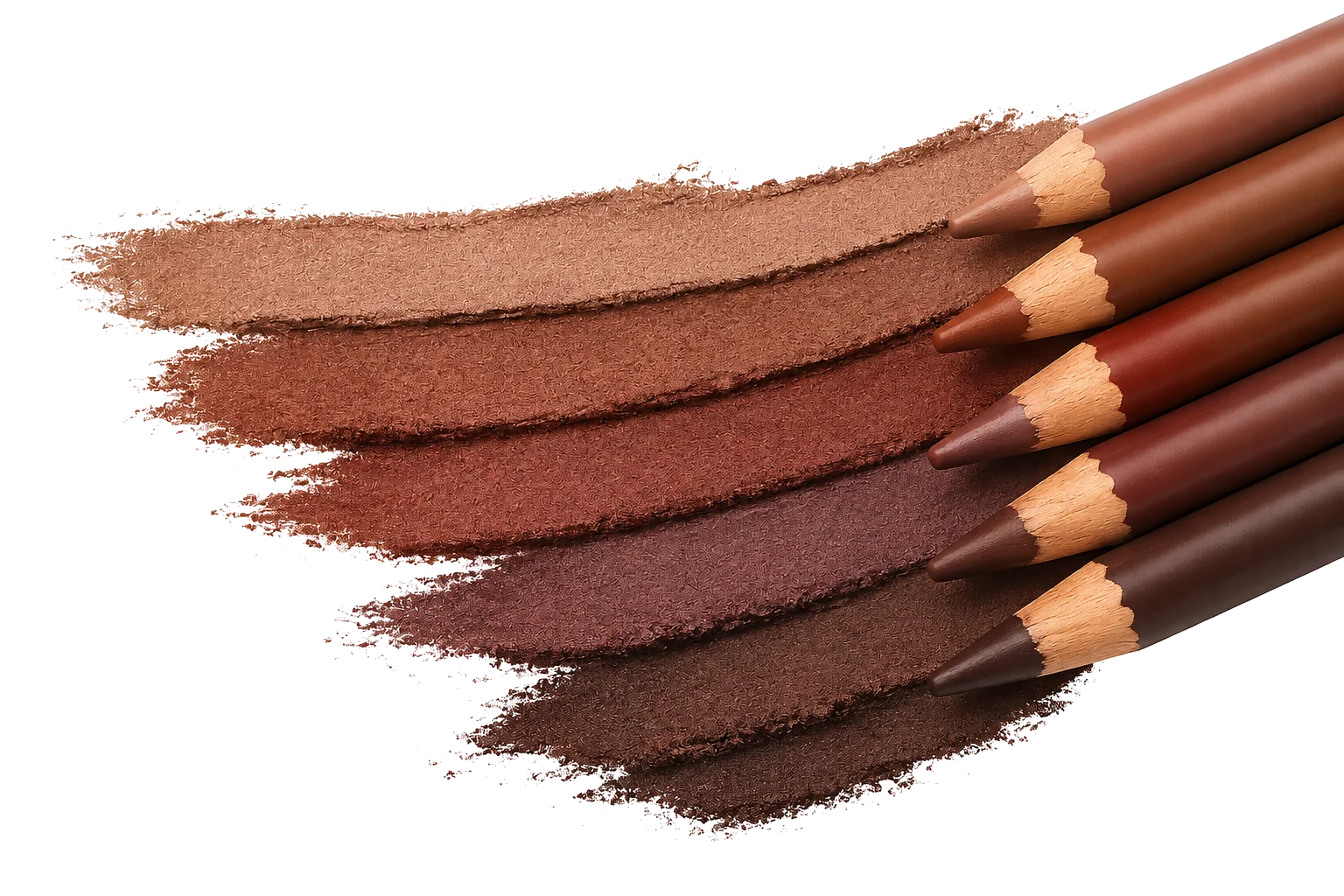
Brown is not one color or one effect. A brown lip liner can be light or deep, warm or cool, muted or saturated—from taupe-beige and classic neutral brown to chestnut, terracotta, rosy brown, and espresso.
The result also depends on natural lip pigmentation, skin depth, lighting, and the lipstick or gloss paired with it. This guide uses depth and undertone together so you can find the kind of brown that creates the effect you want.
At a glance
Five practical starting points from the existing Niori shade library. Not universal winners, but useful references for different brown-liner goals.
NYX Rebel Kind
A balanced medium brown for an everyday outline without a strong warm or cool pull.
NYX Espresso
A deeper, cooler direction for stronger definition when warm browns pull orange.
ColourPop BFF 2
A chestnut-leaning brown that brings warmth without moving fully into terracotta.
ColourPop BFF 3
A softened mauve-brown when a traditional neutral feels too flat or earthy.
Rimmel London Cappuccino
A lower-contrast taupe-brown reference point for subtle shaping and blending.
How to think about brown lip liners
Brown is a broad color family. It can lean cool and taupe, balanced and neutral, warm and chestnut, rosy or mauve, red-brown, or copper and terracotta. Saturation matters too: a muted brown feels softer and grayer, while a more saturated liner looks clearer and more colorful.
Shade names alone rarely reveal that relationship. Comparing nearby swatches is more useful than assuming every pencil called “brown,” “nude,” or “chocolate” will create the same result.
Lower visual weight and softer definition. Light brown may be taupe, beige-brown, or neutral—not automatically nude.
Visible but versatile definition that often works as an everyday brown reference point.
Stronger contrast and structure, while leaving room below for the deepest espresso and chocolate shades.
The maximum-depth end of the continuum, with the most visual weight and strongest effect on a pairing.
A darker liner can make lipstick or gloss appear deeper and more dimensional. Compare dark brown lip liners and deep brown lip liners.
Taupe, gray-brown, or espresso directions that minimize visible orange warmth.
Balanced shades without a strong warm or cool pull. Neutral describes undertone, not depth.
Chestnut, cinnamon, terracotta, copper, or red-brown directions that bring more warmth.
Rosy, pink, mauve, berry, red, and copper influences sit between or beyond those lanes. Our cool vs warm brown guide goes deeper.
Brown lip liners by depth and undertone
These families keep depth and undertone visible at the same time. Every swatch and classification comes from the existing brown-guide data.
Brown liners with restrained warmth, from softer muted browns to deeper cool definition.
Useful when warmer browns look orange or you want a cooler brown direction.
Balanced dark-to-deep browns that stay close to a classic brown-liner direction.
Chocolate brown often sits here: rich and substantial without necessarily being warm.
Deep browns softened by gray, taupe, or restrained saturation.
Choose these for depth with less starkness than a saturated espresso.
Very deep brown liners for maximum visual weight and high-contrast definition.
Choose these when ordinary deep browns do not create enough contrast.
Dark browns with a balanced undertone and clear definition.
A strong starting point when you want a darker classic brown without pronounced warmth.
Approachable warm browns with chestnut or cinnamon influence.
They add warmth without becoming overtly red or copper.
Warm browns with a clearer red, clay, or orange-brown base.
Compare these when neutral browns look flat, but watch for excess orange pull.
Brown liners blended with pink, rose, plum, or berry influence.
Rosier than neutral brown, browner than pink liner, and less purple than plum.
Desaturated rosy browns with a softer, often cooler mauve direction.
A lower-saturation bridge between brown and mauve.
Light browns with beige, taupe, or gently gray influence.
Good for lower-contrast definition; light does not automatically mean nude.
Soft light browns without a pronounced warm or cool lean.
A nude effect depends on the wearer, not on the shade being universally beige.
Warm liners between bronze, copper, terracotta, and red-brown.
These create more brightness and color movement than traditional brown.
Brown-adjacent shade families
This cluster keeps brown as its grounding color but adds rose, pink, mauve, plum, or berry influence. Compared with traditional neutral brown, it looks more flushed; compared with purple or plum liner, it stays earthier; compared with pink liner, it has more brown structure; compared with red-brown, it is usually cooler or softer.
Choose a clearer rosy-brown when neutral brown looks flat, or a muted mauve-brown when you want the same idea with lower saturation.
Light brown describes depth and includes taupe, beige-brown, soft neutral brown, and other lower-contrast options. Neutral brown describes balanced undertone and can be light, medium, dark, or deep. Nude brown describes the shade’s relationship to the wearer’s coloring or intended natural-looking effect.
A shade that reads as nude on one person may look distinctly light, dark, warm, or cool on another. There is no single universal nude beige.
These warmer adjacent families carry more visible red, orange, or metallic-looking warmth than classic brown. They can bring life to a lip look when neutral brown feels flat, but a cooler or more muted brown may work better if lip colors routinely turn orange. See why lipstick turns orange for the color interactions behind that shift.
How to choose the right brown lip liner
For focused comparisons, browse NYX brown liners or recommendations for brown skin, deep skin, and medium to medium-deep skin.
The same liner can look subtle on one person and much lighter, darker, warmer, or cooler on another. Natural lip pigmentation, skin depth, contrast, lighting, and the lipstick or gloss above it all affect the final read.
Compare the liner on your lips under consistent lighting, then judge it with the product you plan to pair. Treat swatches as useful reference points rather than promises of an identical result.
How we test & evaluate
We directly swatch liners and compare them under consistent lighting, focusing on depth, undertone, saturation, opacity, evenness, and color development. We also compare nearby shades and consider how natural lip pigmentation can shift the apparent result.
Formula observations—such as firmness or creaminess—matter when they affect precision, opacity, blending, or even application. The method explains color relationships rather than assigning ratings or universal rankings.
Trace the natural lip edge for definition, soften the line inward, then add lipstick or gloss. You can also shade the corners or fill the whole lip; a firm pencil gives precision, while a creamier one blends more easily.
Yes. Brown liner can give clear shape beneath a sheer gloss or create contrast around a lighter gloss. Our brown lip liner with gloss guide covers pairing approaches in more detail.
There is no single universal shade: useful depth and contrast depend on skin depth and natural lip pigmentation. Compare balanced, warm, and espresso directions in our brown lip liners for brown skin guide.
Cool brown leans taupe, gray, or espresso; warm brown leans chestnut, copper, terracotta, or red; neutral brown sits between those directions.
If brown pulls orange, compare a cooler, more muted, or slightly deeper shade. If it looks gray, try a neutral, rosy, or warmer chestnut brown. Judge the result in consistent lighting and with the lip product you plan to wear.