Best Classic Cool Brown
ColourPop Ashton
An unmistakably brown reference point with restrained warmth.
A cool brown lip liner is predominantly brown, but its undertone points away from orange, caramel, terracotta, and other visibly warm directions. It can be light, medium, dark, muted, or relatively rich: cool describes undertone, not depth or saturation.
This guide starts with practical cool-brown shade groups from the Niori library, then explains how to separate cool brown from neutral, warm, pink-brown, and mauve-brown.
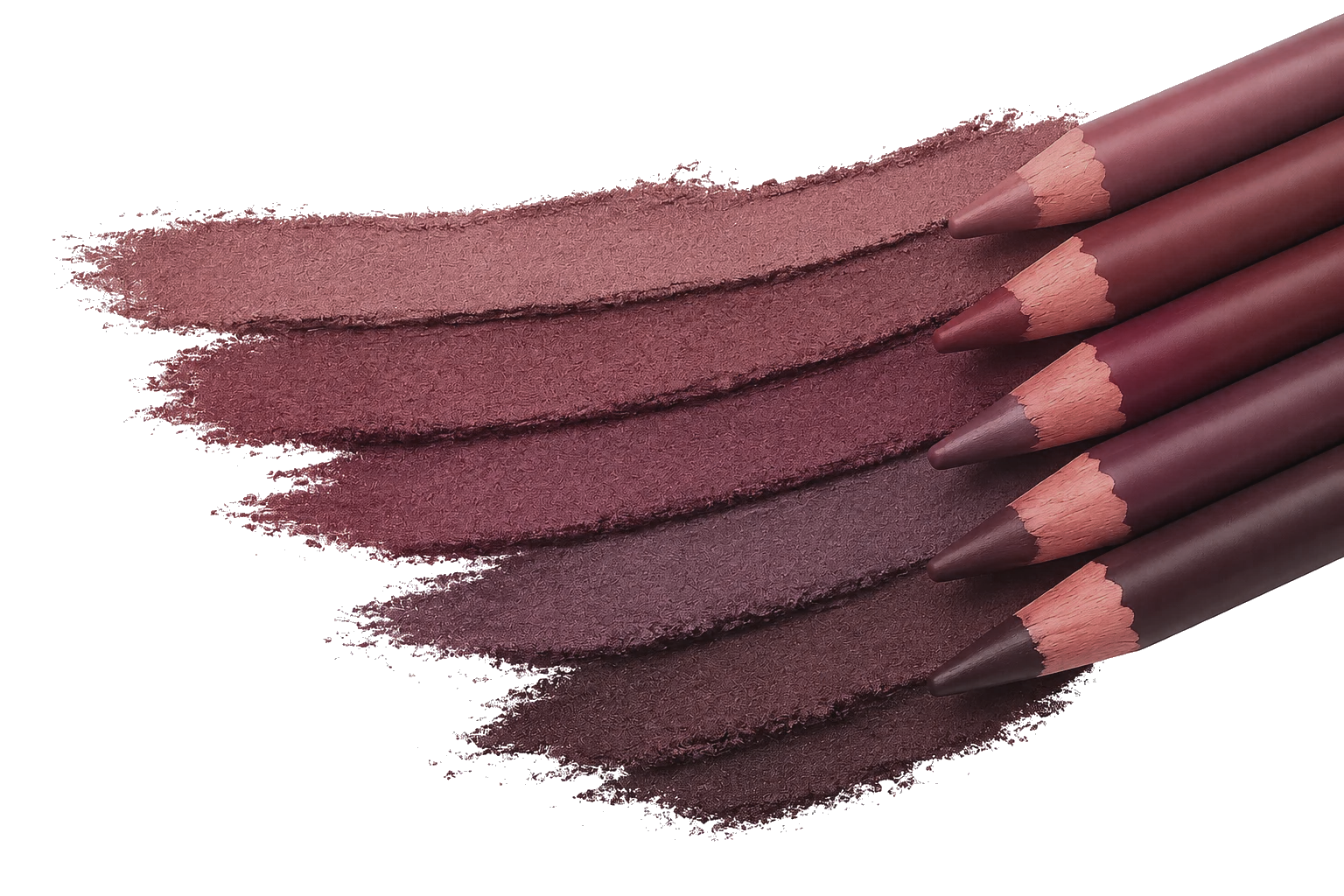
At a glance
ColourPop Ashton
An unmistakably brown reference point with restrained warmth.
Rimmel Cappuccino
Stays close to balanced brown when taupe or mauve would feel too obvious.
e.l.f. Espresso Martini
A softer, muted direction for a smoky rather than warm outline.
NYX Cold Brew
Adds deeper contrast while keeping warmth controlled.
ColourPop BFF 3
Shows where a cool brown begins to move toward the separate mauve-brown category.
Cool brown lip liner types
Start with the effect you want. These groups keep undertone, depth, and saturation separate instead of treating every greyed, mauve, or deep brown as the same color.
Brown liners with clear grey, purple, or neutral-cool influence and no orange or golden pull.
Choose these when you want the most distinctly cool brown effect.
Muted brown, taupe, and rose-brown shades that avoid a visibly warm caramel or terracotta direction.
These are softer and more wearable than the stable-cool shades, but still stay away from orange warmth.
Brown liners with cool rose or berry influence that still read more brown than purple.
Use these when a neutral-cool brown feels too plain, but a plum liner would feel too purple.
Cool brown basics
Undertone is a comparison. A brown reads cooler when it has less visible warm influence than nearby browns and does not resolve into orange, rust, caramel, or red-brown on the lips. A restrained taupe, plum, or mauve influence can contribute to a cooler impression, but none is required in every cool brown.
Muting can make warmth less obvious, but saturation and undertone are different properties. A muted brown can be warm, neutral, or cool; a cool brown can be softly muted or relatively saturated. Grey is not the definition of coolness, and purple is not a universal ingredient.
Predominantly brown with little visible orange, caramel, or terracotta warmth.
Balanced between warmer and cooler directions rather than clearly leaning either way.
Shows a visible red, orange, caramel, cinnamon, or terracotta direction.
Has a noticeable pink component; it may lean cool without automatically becoming cool brown.
Has a visible purple-pink direction; when that character dominates, it deserves its own category.
Undertone describes color direction. Depth describes how light or dark a shade is. A pale taupe-brown, a medium classic brown, and a deep espresso brown can all be cool-toned. A deep brown can also be warm or neutral, so darkness alone is never evidence that a liner is cool.
Choose depth for the amount of contrast you want, then assess undertone within that depth. For depth-first shopping, see the dark brown lip liner guide.
Natural lip pigment, lipstick or gloss underneath, application thickness, lighting, and surrounding colors can all make a liner's warmer components more visible. A shade that looks neutral in a product photo may therefore read peach, rust, or orange after application.
A cooler brown can compensate when warmth consistently becomes more prominent, but lip swatches are more useful than isolated arm swatches. Compare the candidate directly with a known warm brown and with the lip product you plan to wear. See why lip color turns orange for a fuller explanation.
Test the liner at the opacity you normally wear. A sheer line can blend with natural lip pigment and shift more than a fully filled swatch, while a lipstick or gloss pairing may reveal warmth the pencil does not show alone.
Drugstore and prestige shade names are equally inconsistent. Look for lip swatches in comparable lighting, compare adjacent browns within the same range, and note whether reviewers repeatedly describe a shade as orange, red, mauve, or taupe. Prioritize the observed color over a cool-sounding coffee or cocoa name.